
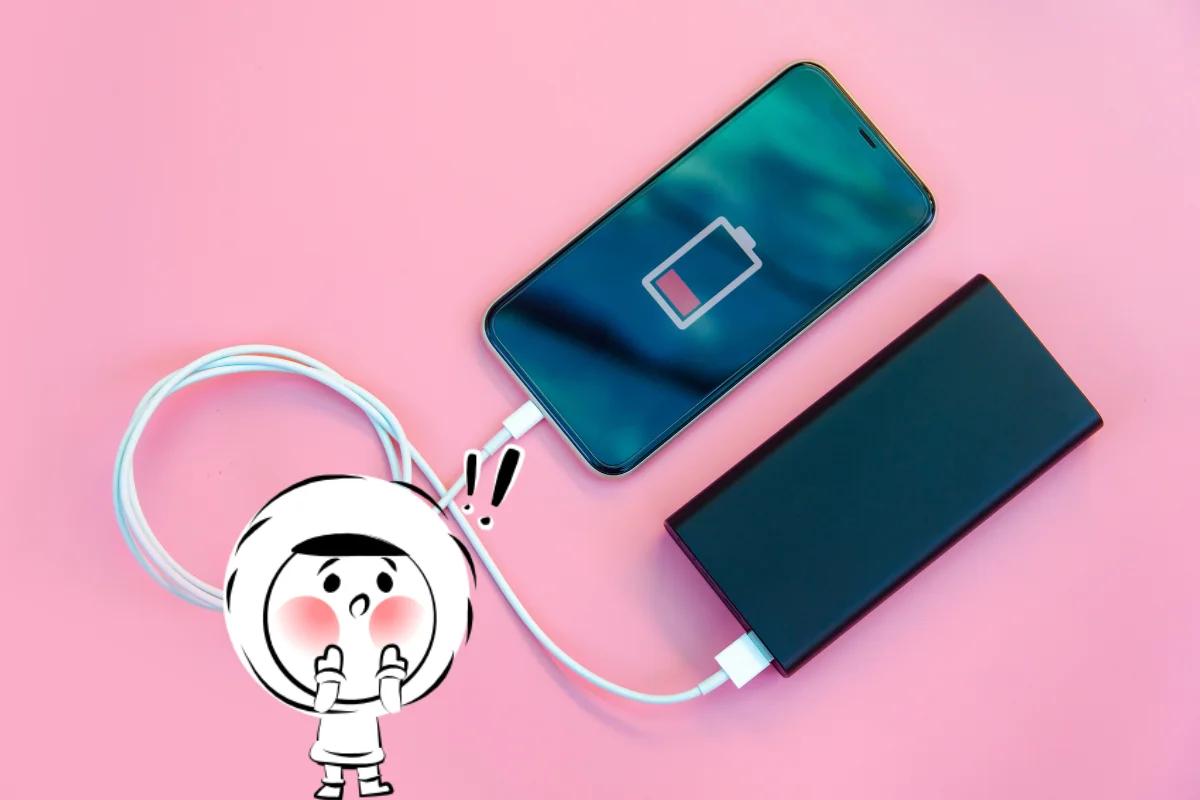
Packing for a flight often raises one simple but important question: Can you bring a power bank on a plane? The short answer is yes, but only within certain limits.
Airlines and aviation authorities allow power banks in carry-on bags, but there are strict size restrictions based on battery capacity, not just how big the device looks. The same rules apply whether it is called a power bank, portable charger, or portable battery charger.
Here’s what you need to know before heading to the airport.
The Basic Rule: Carry-On Only
Power banks use lithium-ion batteries, which means they fall under the lithium battery on plane regulations. They are not allowed in checked baggage.
In the United States, TSA applies the same rule. Power banks and portable battery chargers must stay in carry-on luggage, not checked bags. They must be placed in your carry-on bag so cabin crew can respond quickly if a battery overheats. This rule follows widely adopted aviation safety standards used by airlines worldwide.
Power banks that are damaged, swollen, or subject to manufacturer recalls are not permitted on flights. Devices showing signs of overheating or battery swelling may be confiscated.
What Is the Power Bank Size Limit on Flights?
The limit isn’t measured in mAh alone. Airlines regulate batteries based on watt-hours (Wh), not just the printed capacity in milliamp-hours.
The widely adopted international standard is:
- Up to 100Wh: Allowed in carry-on without airline approval
- 100Wh to 160Wh: Usually requires airline approval
- Above 160Wh: Not allowed on passenger aircraft
For most travelers using a portable battery charger, everyday models fall within the safe range. The watt-hour rating printed on the device determines what size power bank can be taken on a plane.
Power banks without a clearly printed watt-hour rating may be refused at airport security. If the capacity label is missing or unreadable, security officers may not allow the device onboard.
Is 10,000mAh Allowed on a Plane?
Yes. A typical 10,000mAh power bank is well below 100Wh, which means it is allowed in your carry-on without special approval. A 10000mAh power bank is allowed in flight as long as it stays in cabin baggage.
Is 20,000mAh Allowed on a Plane?
In most cases, yes. Most 20,000mAh power banks remain under 100Wh, depending on their voltage rating. That means they are generally permitted in carry-on luggage. A 20000mAh power bank is usually allowed in flight, but the printed Wh rating should always be checked to confirm.
Is 30,000mAh Allowed on a Plane?
This depends on the watt-hour rating. Using the standard 3.7V calculation:
30,000mAh × 3.7 ÷ 1000 ≈ 111Wh
That places most 30,000mAh power banks above 100Wh. Most models in this range may require airline approval before flying. Always verify the Wh rating printed on your device before traveling.
How to Calculate Wh from mAh
If your power bank only shows mAh and not Wh, the watt-hour rating can be estimated with: mAh × Voltage ÷ 1000 = Wh
Most power banks operate at 3.7V.
Example: 20,000mAh × 3.7 ÷ 1000 = 74Wh.
That is safely under the 100Wh limit. This calculation helps confirm whether a power bank fits within airline size restrictions.
How Many Power Banks Can You Bring?
Airlines generally allow multiple power banks under 100Wh in carry-on baggage. However, some airlines may limit the number of spare lithium batteries allowed per passenger. For batteries between 100Wh and 160Wh (with approval), airlines often restrict passengers to two units. Bringing more than one portable charger on a plane is usually fine within these limits. Power banks should be stored safely to prevent short circuits and should not be kept loose with metal objects such as keys or coins.
Get Eskimo eSIM to stay connected globally
Need internet while travelling? Here's what we recommend:

Fixed data plans
- No speed reduction
- 2-year validity, unlimited data rollover
- Transfer data to anyone
- Personal hotspot


Are Rules Different for International Flights?
Power banks are allowed on both domestic and international flights. Most airlines follow safety guidelines set by international aviation authorities such as IATA, which standardize lithium battery limits worldwide.
However, enforcement can vary. Some airlines apply stricter rules, budget carriers may inspect more closely, and airport security procedures differ by country.
While almost all airlines allow power banks in carry-on baggage, some may apply stricter policies regarding battery capacity or quantity limits. Whether domestic or international, the rule remains the same. Power banks must stay in carry-on baggage and fall within approved watt-hour limits. Always check your airline’s official policy before flying.
Can You Use a Power Bank During the Flight?
In most cases, yes, but there are restrictions. Many airlines require electronic devices to be stowed during takeoff and landing. Power banks may also need to remain stored during these phases. Once cruising altitude is reached, using a power bank to charge your phone is generally allowed, provided:
- The device remains visible
- It does not overheat
- It is not charging inside a bag
Charging a phone with a power bank on a plane is typically permitted under these conditions.
Why Are There Size Limits?
Lithium-ion batteries can pose a fire risk if damaged or overheated. Larger batteries contain more stored energy, which increases potential risk.
That’s why aviation authorities restrict battery size and require power banks to remain in the cabin instead of checked luggage.
For a deeper explanation of safety restrictions, see: Using a Power Bank in Flight
Quick Reference Summary
Power Bank Size Limits at a Glance
| Power Bank Capacity | Approx. Watt-Hours (Wh) | Allowed on a Plane? |
| 10,000mAh | ~37Wh | Yes (carry-on only) |
| 20,000mAh | ~74Wh | Yes (carry-on only) |
| 30,000mAh | ~111Wh | Usually needs airline approval |
| Above 160Wh | 160Wh+ | Not allowed |
- 10,000mAh and 20,000mAh are usually fine in carry-on
- 30,000mAh may require airline approval
- Checked baggage is never allowed
Staying Connected After You Land
A power bank keeps your phone charged, but connection is what makes it truly useful once you arrive. Whether you need maps for a road trip, ride-hailing apps, boarding passes, or a quick message to your hotel, having mobile data ready matters just as much as battery life.
Eskimo eSIM makes it easy to get online the moment you land, without searching for a SIM card shop at the airport. You can even claim a free 500MB global eSIM to test it before your trip.
If you’re traveling across multiple countries, Eskimo’s fixed data plans stay valid for up to two years, with unlimited rollover on unused data, so you can save what’s left for your next journey.
FAQs
Can you bring a power bank on a plane internationally?
Yes. International flights follow similar lithium battery regulations. Airline policies may vary slightly, so it is best to confirm before departure.
Can you take a power bank on a plane if it’s turned off?
Yes, but it must remain in carry-on baggage. Turning it off does not allow it in checked luggage.
Is a portable battery charger allowed on a plane?
Yes. A portable battery charger is treated the same as a power bank and must be carried in hand luggage within watt-hour limits.
Is a portable charger considered a lithium battery?
Yes. Portable chargers use lithium-ion battery cells and are regulated under the lithium battery on plane rules.
What size power bank can I take on a plane?
Most airlines allow power banks up to 100Wh without approval. Larger devices between 100Wh and 160Wh may require airline permission.
Can I bring multiple power banks on a plane?
Usually, yes, as long as each unit stays within the allowed watt-hour limit. Some airlines may limit quantity.